
 IB Docs (2) Team

2. The Malayan Emergency (ATL)
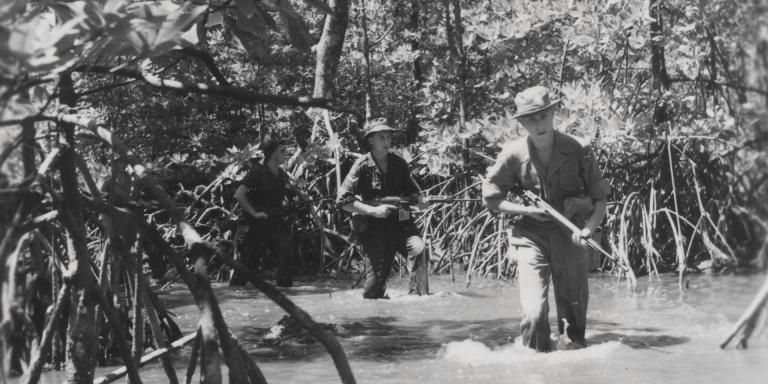
This page looks at the causes and development of what the British called The Malayan Emergency. This is an example of a successful campaign against Communist insurgents and thus is a very different story compared to what happened in Vietnam. However the reasons for British success are debated by historians and the extent and nature of atrocities carried out by the British remains controversial.
Guiding questions:
Why was Malaya so important to the British?
Why did conflict start between the British and the communists, and what was the nature of that conflict?
Why were the British successful in defeating the insurgency?
What was the legacy of the conflict?
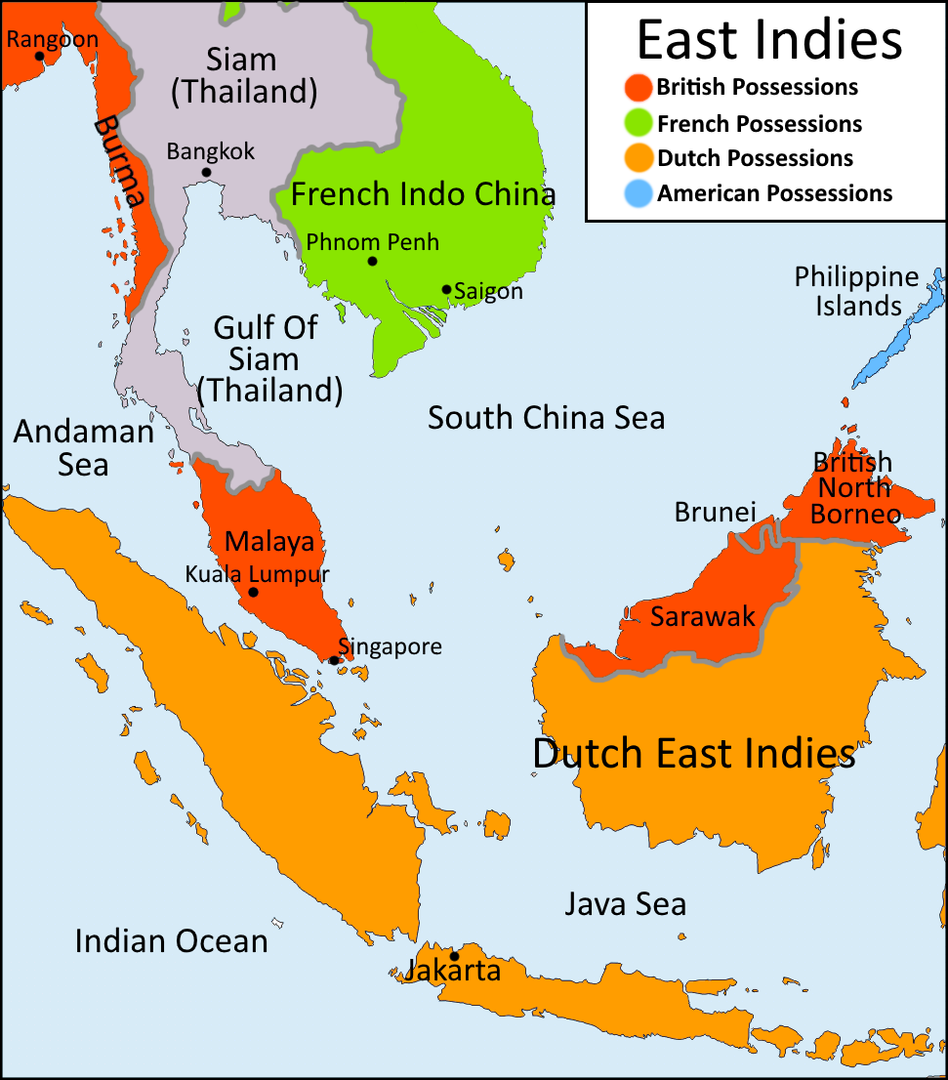
1. Why was Malaya so important to the British?
Malaya had been under British control since 1826. British control was complex in the sense that it was actually made up of a dozen states. Some of these states such as Singapore were crown colonies and thus ruled directly from London. Others, like the Malaya States were ruled by local Sultans who collaborated with British Commissioners.
The population was also made up of different ethnic groups:
- the indigenous Muslim Malays; this group made up the largest proportion of the population and generally accepted British rule though their loyalty was primarily to their Sultan
- the Chinese population: around 2 million Chinese were living in Malaya in 1948 and their numbers had increased during the Second World War.
- The Indian population: there were about half a million in 1948 - many working on the rubber plantations where wages were higher than in India.
In comparison, there were only about 12 000 British who mainly worked as part of the British civil service, police, rubber planters, doctors and businessmen.
Starter:Watch this video to give an introduction to this conflict and answer the questions below:
- What impact did the British have on Malaya?
- Why was Malaya important to the British?
- How did the British resist the Japanese during the Second World War?
- Why is Malaya important to Britain after the war?
- What actions do the Malayan Communist Party take against the British after the war?
- Why is this called an 'Emergency' rather than a war?
- What were the causes of the Malayan emergency?
- What actions did the Communist Party take against the British?
- Why was the terrain 'classic guerilla country'?
- What was the British response to guerilla actions?
Task Two
ATL: Thinking skills
Read the following extract and answer the questions below:
Following the Second World War, Britain faced enormous debts. Malaya had vital raw materials; Malayan tin and rubber exports were valuable commodities which could help to pay off these debts. Indeed a Colonial Office report from 1950 noted that Malaya’s rubber and tin mining industries were the biggest dollar earners in the British Commonwealth. In addition, Singapore was vital to Britain’s strategic interests. Britain wanted to ensure that it maintained its economic and strategic position in the Far East.
In 1948 Malaya was established as a federation of states with a central government in control. This was dominated by the largest ethnic group, the Malays; the new constitution would confirm Malay privileges and it meant that 90 per cent of Chinese had no citizenship. In protest, angry Chinese joined communist guerrilla training camps in the jungle; given the cold war context of this time, Britain could not allow a communist group to gain influence in Malaya and in June 1948 established martial law. In addition, there were concerns that rebel activity would limit the ability to access the valuable tin and rubber. The Foreign Office noted in a secret file that ‘In its narrower context, war against bandits is very much a war in defence of [the] rubber industry’.
- According to this source, what were Britain’s aims in Malaysia following the Second World War?
- Which of these aims do you think was the most important?
2. Why did conflict start between the British and the communists, and what was the nature of that conflict?
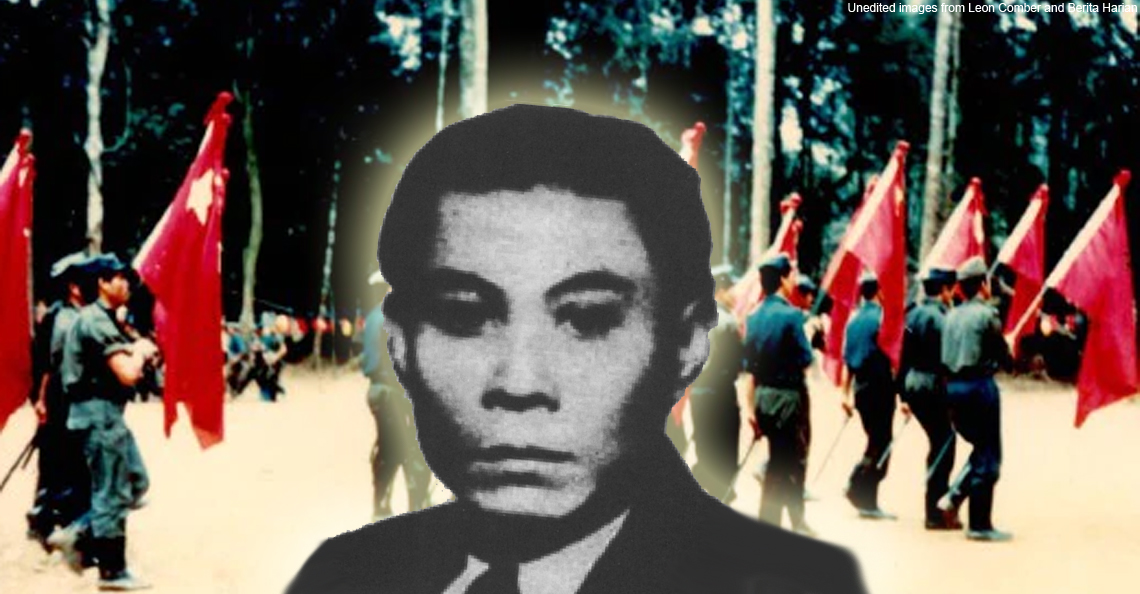
Lai Teck, Leader of the MCP until 1948; he was found to have worked for the British as well as the Comintern and the Japanese. He was replaced by Chin Peng
The Malayan Communist Party (MCP) had been founded in 1930 and had been the most effective organised of anti-Japanese resistance from 1941 - 45. The British had given the MCP assistance, training them in jungle warfare and modern weapons. In 1945 it did not seek to gain control from the British but from 1945 - 48 it adopted a 'united front' strategy; violence only became a tactic in 1947 - 8.
Task One
ATL: Thinking skills
Watch the following video which gives an overview of the conflict including interviews with the key players. Answer the questions below (click on the eye to see the questions)
- What were the characteristics of the communist fighting force before the Second World War?
- What was the aim of the secret army?
- What is the theory as to why Lai Teck abandoned the plan for a takeover of Malaya after the war? (note this is different to reasons given in the article in Task Two below)
- Why did the communists get involved in trade union action and strikes?
- According to Chin Peng, why was it necessary to move towards armed struggle?
- Why did the British argue that this was 'an international issue'? Why does this seem unlikely based on Chin Peng's evidence?
- What methods did the MCP now start using?
- Why did the killing of the planters backfire on the MCP?
- What key actions did the British take to limit the struggle? (keep adding to the question)
- Who were 'the squatters'?
- How did the guerillas operate regarding the peasantry in the villages?
- Why were British 'war crimes' not illegal?
- What was the plan that 'won the British the war'?
- What was the impact of the Korean War?
- Why and how did Chin Peng change tactics?
- How did the British respond?
- Why were the communists also losing on the political front?
Task Two
ATL: thinking skills
Read this article on the MCP post Second World War.
List the reasons given in this article by historian Cheah Boon Kheng as to why the MCP did not try to seize independence for Malaya at the end of the Second World War.
ATL: thinking skills
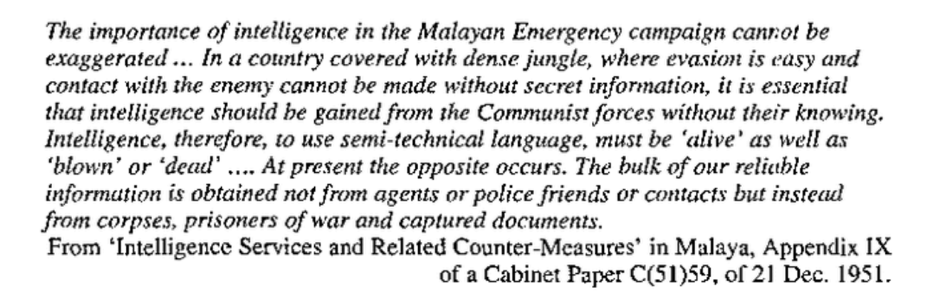
What does the following source indicate about the nature of the fighting in Malaya?
Task Four
ATL: Thinking skills
- What can you learn from this video about the nature of fighting in the Malayan Emergency?
- With reference to origin, purpose and content, how valuable is this source to a historian studying the Malayan Emergency?
Task Five
ATL: Thinking skills
1. Research the actions taken by the British in their fight against the communists.
Create a detailed timeline to show how the following men dealt with the Emergency:
- High Commissioner Sir Edward Gent
- Lt General Sir Harold Briggs
- General Sir Gerald Templar
2. What different strategies were used by the British?
Find evidence of the following strategies. Write notes on how each strategy was implemented and also any evidence that you can find of its effectiveness (or otherwise).
You may also want to use the articles identified below to help you answer these questions, along with the videos - including the video on the conflict on the video page: 4. Cold War conflicts in Asia: Videos and activities)
- Resettlement programmes
- Arrests
- Intelligence gathering
- Psychological warfare
- Using rewards
- Winning hearts and minds
- Aerial bombing
- Constraints on the population
- Chemical warfare
- Terror
- Propaganda
3. How far do you agree with this verdict of British tactics:
The British approach in Malaya did involve high levels of force, was not fought within the law and led to abuses of human rights. (Paul Dixon)
Task Six
ATL: Thinking and communication skills
Consider the differences and similarities between how the Vietnam war and the Malayan War was fought.
- Create a Venn diagram to show the similarities and differences in how the war was fought by the communists in each country
- Create a second Venn diagram to show the similarities and differences in how the war was fought by the British in Malaya and the Americans in Vietnam
Click on the eye below for points to consider
.png)
Points to consider in comparing the two wars:
Nature of the Communist insurgents: Malaya was ethnically divided which made for a very different conflict; many Malayans did not support the mainly Chinese communist insurgents
Scale of the two wars: Far more insurgents in Vietnam
Geographical location of the two countries: Malayan communists did not have any possibility of receiving aid from a neighbouring communist state
British experience: British troops had more experience at fighting in jungle terrain due to their colonial history and experience in The Second World War
British tactics: The resettlement programmes carried out by the British were more effective than the Strategic Hamlet programme carried out by South Vietnam - why was this? Which tactics did the British use that were not tried by the Americans in Vietnam?
3. Why were the British successful in defeating the insurgency?
Mass arrests, property destruction, and forced population movement, combined with loose controls on lethal force, created a coercive effect
(Huw Bennet, ‘A very salutary effect’: The Counter-Terror Strategy in the Early Malayan Emergency, June 1948 to December 1949)
British actions in Malaya have often been cited as an example of successful counter-insurgency. The emphasis of Templar on 'winning hearts and minds' was originally stressed as important and a lesson which the Americans failed to heed. However, some historians have pointed out that the reason for British success lay in excessively brutal tactics
Task One
ATL: Thinking skills
This article by Mark Curtis focuses on the brutal tactics used by the British in the war against the Rebels. It comes from his book Web of Deceit which is highly critical of British foreign policy in the post war world.
- According to Curtis, what are the origins of this war?
- What other actions did the British take during 'The Emergency'?
- List the actions taken by the British to defeat the rebels - which of these are particularly shocking?
- According to Curtis, what are the reasons for British success?
- What examples of 'collective punishments' does he give?
- What aspects of British policy were copied by the Americans in Vietnam?
- Why does he take issue with the view that the British were “fighting the communist terrorists to enable Malaya to become independent and help itself”
Task Two
ATL: Research skills
The following articles further challenge traditional assumptions regarding the reasons for the success of the British in Malaya. Read and make notes on the key arguments of each article:
Task Three
ATL: Thinking skills
Research further the more controversial side of Britain's role in Malaysia.
The following articles may help you in this:
http://www.theguardian.com/world/2011/apr/09/malaya-massacre-villagers-coverup
4. What was the legacy of the conflict?
In 1955 negotiations with the communists were tried but broke down, but by this point they had ceased to be a real threat. The emergency had cost the Malayan Government around $200 million a year between 1948 and 1955 and the British government about $500 million a year. It had lasted for 12 years, involving 350,000 personnel and cost 12,000 lives.
Chinese businessmen opposed the actions of the Communists and formed the Malayan Chinese Association. The Indians meanwhile had formed the Malayan Indian Congress. These two anti-communist groups came together with the United Malays' National Organisation (UMNO) to create the Alliance Party. In this way, it can be argued that the communist threat had brought the Malayan ruling classes together. This coalition won the 1955 elections. Although the Emergency was still officially going on, this stability persuaded the British to admit Malaya to the Commonwealth in 1957. Britain retained some strategic and advantage and some influence by agreeing to assist with internal and external security. By 1960 most of the country was free of terrorist activity.
Task One
ATL: Thinking skills
As you will see from this article, the Supreme Court in Britain ruled that even though the actions of the British troops in killing 24 Malayan villagers may have been a war crime, the action took place too long ago for any public inquiry to be held into what happened.
Discuss as a class your reactions to this decision.
Should there be a cut off point for investigating or compensating cases of war crimes?
 Twitter
 Facebook
 LinkedIn